
Gum Disease Treatment Killeen
A Gentler Way to Restore Gum Health

Oftentimes, teeth are the focus when it comes to oral health. However, your gums are equally as important. For that reason, our team at Killeen Choice Dental treats countless cases of gum disease that range from reversible gingivitis to advanced periodontitis. If you are interested in learning more on the topic, including common warning signs of gum disease, then read on or get in touch with us to schedule an appointment.
Why Choose Killeen Choice Dental for Gum Disease Treatment?
- Dental Experts Who Are Trained in Gum Disease Treatment
- Three Forms of Dental Sedation Available
- Minimally Invasive Treatment Options to Improve Gum Health
What is Gum Disease?

The startling statistics surrounding this oral health problem make it the second most common dental issue adults face in the United States. Even worse, its symptoms are often dismissed or remain unnoticed by patients. That’s why it’s so important to closely monitor anything unusual, like persistent sensitivity, and to schedule a dental visit at our office every six months. This will help ensure that, if an infection does develop, we can eliminate it in the early stages.
Symptoms of Gum Disease
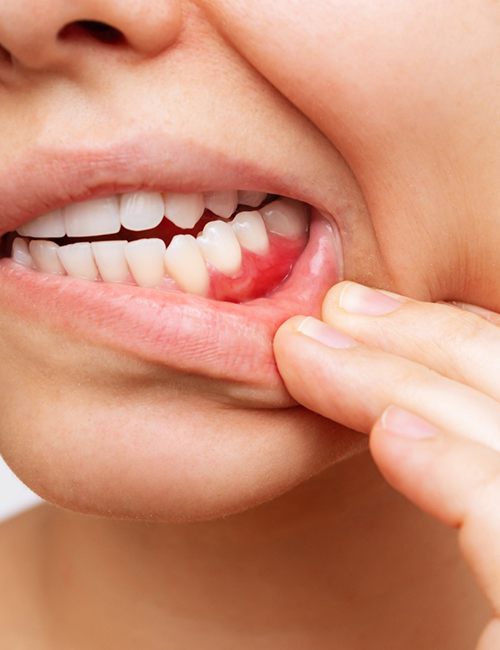
The early stages of gum disease are usually accompanied by inflamed, red, or bleeding gums. However, if the infection is left alone to progress, more severe symptoms can arise, including loose teeth. So, if you suspect that you may benefit from gum disease treatment in Killeen, it’s crucial that you don’t take the “wait and see” approach. Instead, call us today to schedule an appointment. The sooner you do, the sooner we can get your oral health back on track.
How Do We Treat Gum Disease?

At Killeen Choice Dental, we offer three solutions. We will discuss each one in-depth during your appointment so you can confidently decide how you’d like to proceed. In the meantime, however, you can read on to learn a little more about them.
Scaling & Root Planing
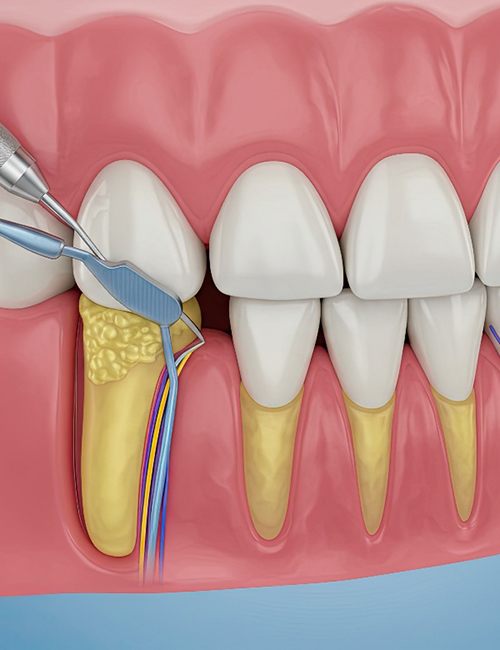
While it may be possible to reverse early stages of gum disease by improving your at-home oral hygiene routine, if your symptoms have become too advanced, your smile may benefit from a more intensive gum disease treatment in Killeen known as scaling and root planing. This two-phase procedure both removes built-on deposits of oral bacteria from the teeth that could lead to cavities and decay and then resurfaces their roots so the gums can successfully reattach to protect them.
Do I Need Scaling & Root Planing?

Typically, when you first notice warning signs like bleeding when brushing or flossing, it is an indication that you could be suffering from the beginning stages of gum disease known as gingivitis. However, by amping up your brushing and flossing routine, gingivitis can often be completely reversed.
Unfortunately, though, if it’s not stopped quickly enough, gingivitis can quickly turn into a more advanced stage of periodontal disease, requiring a more comprehensive gum disease treatment in Killeen, known as scaling and root planing. If you’re experiencing symptoms such as gingival bleeding, swollen or tender gums, gum recession, persistent bad breath, and visible plaque buildup on the teeth, scaling and root planing could be right for you.
The Process of Scaling & Root Planing
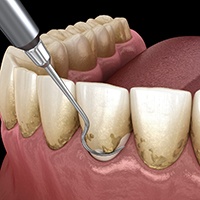
Scaling and root planing is a two-part gum disease treatment in Killeen that typically is performed over two dental visits.
At your first appointment, your dental team will use a tool known as a scaler to clean the plaque and tartar off the surfaces of your teeth, reaching deep into the gingival pockets to remove as much as they can.
Then, during your second visit, your dentist will tackle the hardened bacterial deposits which have accumulated on the roots of your teeth below your gumline. This will help prevent further bacterial infection by stopping new generations of bacteria from proliferating in your periodontal tissue.
Aftercare Tips for Scaling & Root Planing

Because scaling and root planing can be an intensive process, it might take a few weeks for your teeth and gums to completely recover. During that time, you may experience some discomfort or sensitivity. This is completely normal and should clear up once you have finished healing. To that end, here are a few tips to make your recovery time as brief and comfortable as possible:
- Always brush your teeth gently with a soft-bristled toothbrush. Use small, slow, circular motions to avoid irritation.
- Rinse your mouth frequently with warm saltwater. This can be especially helpful after meals to help loosen food prior to brushing. It can also be soothing between meals. To make your own saltwater, simply mix ¼ teaspoon of table salt with eight ounces of warm water. Then gently swish, and for additional comfort let the mixture fall out of your mouth instead of spitting.
- Avoid any foods or beverages that are hot, spicy, acidic, or contain alcohol.
- Never smoke or use tobacco products (yes, even vapes) during the healing process.
- In the first 48 hours after each appointment, we recommend you stick to a soft diet.
- Wait at least 24 to 48 hours after each treatment before participating in any strenuous physical activity, as the increased blood flow can divert blood from the gums and make the healing process take longer.
If you are experiencing any painful side effects not mentioned above following your gum disease treatment in Killeen, or if your discomfort worsens instead of improving after about two or three days, please contact us for further assistance.
Antibiotic Treatment
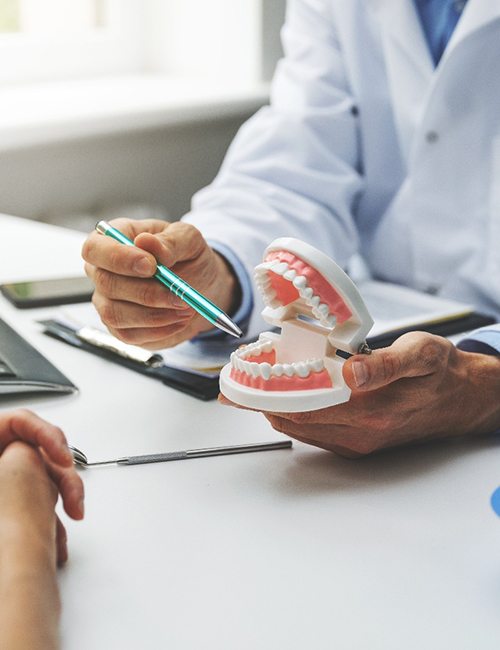
Removing all traces of bacteria from gum pockets can be difficult, even when more advanced dental instruments are used. Fortunately, by combining antibiotic therapy with other methods of treatment, there is a better chance of eliminating all harmful plaque and tartar so that your smile becomes healthier over time. We will apply the medication to your gum pockets so the tiny microspheres will disperse within days or weeks, targeting and eliminating the infectious bacteria.
Chao Pinhole Technique
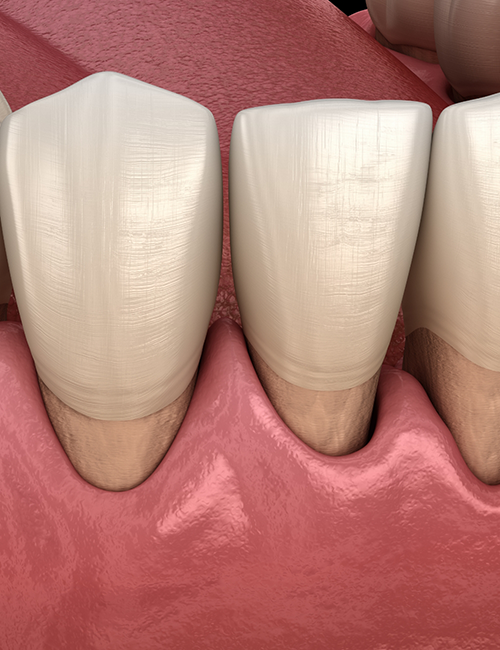
When gum disease progresses to what is known as periodontitis, a common symptom usually occurs: gum recession. As these tissues pull back away from your teeth, causing them to appear elongated, you can become susceptible to tooth sensitivity. With the help of the Chao Pinhole Technique, though, this minimally invasive form of treatment can produce a reliable and positive result. Our dentist will make a small hole in your gums before inserting the pinhole. Once in place, we will loosen your gum tissue before repositioning it over your exposed tooth roots.
Gum Disease Treatment FAQs
How long does gum disease treatment take?
The timeline for gum disease treatment in Killeen depends on how advanced your condition is. Early-stage gingivitis often improves after one or two professional cleanings combined with better home care. More advanced cases may require scaling and root planing, which can take one to two visits to complete.
If you have gum recession, the Chao Pinhole Technique is typically done in a single appointment. However, full healing can take several weeks. Whatever method is best for your smile, we'll always be sure to give you a clear timeline once we've evaluated your situation.
Are there any risk factors associated with gum disease?
Yes! In fact, there are several factors that can increase your risk, including smoking, poor oral hygiene, genetics, diabetes, and medications that cause dry mouth. Hormonal changes, like those that occur during pregnancy, can also make your gums more vulnerable to inflammation.
Age can also play a role, as gum disease becomes more common over time as your body's immune system naturally declines. Knowing your personal risk factors can help our Killeen team catch and treat gum disease before it goes too far.
Does gum disease ever go away?
Gingivitis, when caught early, can be reversed with professional treatment and consistent home care. However, once gum disease advances to periodontitis, the damage to gum tissue and bone becomes permanent, even if the infection itself can be controlled.
This is why our team focuses on catching gum disease as soon as possible and managing more advanced cases with treatments like scaling and root planing or antibiotic therapy to keep it from progressing further. If you’re concerned about the state of your gums, give us a call at our Killeen dental office, and we’ll help you find relief.
Is mouthwash good for gum disease?
Mouthwashes containing alcohol can actually make gum disease worse by drying out your mouth. However, an antimicrobial mouthwash can be a helpful addition to your routine, especially if you're trying to reduce plaque and bacteria along your gumline.
That said, mouthwash alone isn't enough to treat gum disease. It works best as an additional layer of prevention alongside brushing, flossing, and regular professional cleanings. If you're already showing signs of gum disease, it's important to see our team for evaluation instead of relying on mouthwash to resolve it on its own.