
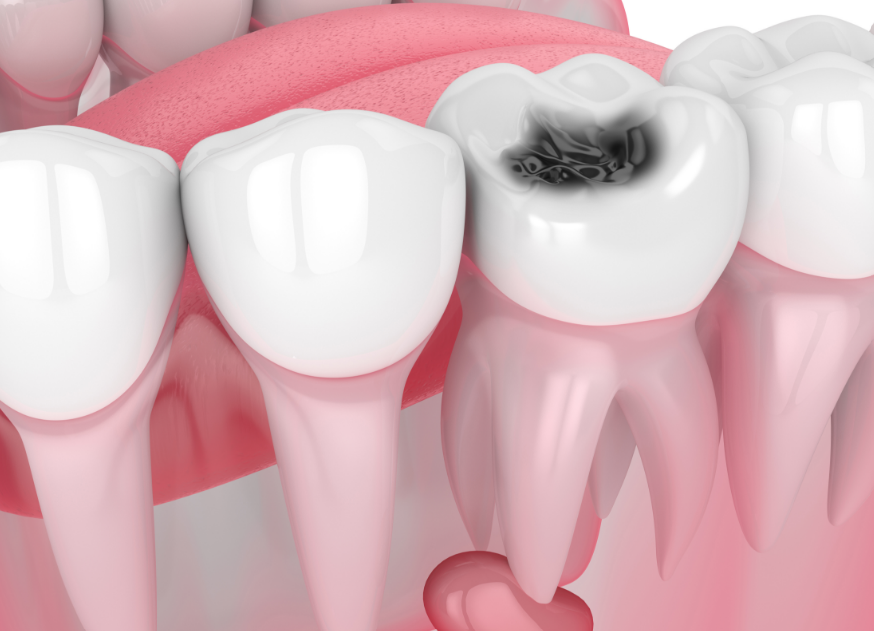
Not all cavities are easy to see. While some form on the surface of a tooth, others develop between teeth where a toothbrush can’t always reach. These hidden cavities, known as interproximal cavities, often go unnoticed until they cause discomfort or require treatment. Knowing the signs and how to prevent them can help protect your smile.
Why Cavities Between Teeth Are Hard to Detect
Cavities between teeth form in tight spaces where food particles and plaque easily get trapped. Because these areas aren’t visible when you look in the mirror, decay can develop without obvious visual clues. Unlike surface cavities, interproximal cavities usually can’t be spotted until they’re more advanced or detected during a dental exam.
Common Symptoms to Watch For
Although some cavities between teeth cause no symptoms at first, there are a few warning signs that may appear as decay progresses. Increased sensitivity to cold, heat, or sweet foods can be an early indicator. You might also notice discomfort when flossing a specific area or a lingering ache that’s hard to pinpoint to a single tooth.
In more advanced cases, pain when biting down or a persistent toothache may occur. However, it’s important to remember that not all cavities cause pain right away, which is why regular dental visits are so important.
How Dentists Find Hidden Cavities
Dentists use a combination of visual exams, dental instruments, and X-rays to detect cavities between teeth. Bitewing X-rays are especially useful for spotting decay that isn’t visible on the tooth’s surface. These images allow dentists to see between teeth and identify issues early, often before symptoms develop.
Early detection can mean simpler treatment and less damage to the tooth structure, making routine checkups a key part of cavity prevention.
How to Prevent Cavities Between Teeth
Daily flossing is one of the most effective ways to prevent cavities in these hard-to-reach areas. Floss removes plaque and food debris that brushing alone can’t reach. Skipping flossing allows bacteria to remain between teeth, increasing the risk of decay.
Brushing twice a day with fluoride toothpaste also strengthens enamel and helps protect against cavities. Paying attention to proper brushing technique and avoiding frequent snacking on sugary foods can further reduce your risk.
Using fluoride mouth rinses and staying hydrated can also support saliva production, which helps neutralize acids and wash away bacteria.
When to See a Dentist
If you notice persistent sensitivity, discomfort between teeth, or pain that doesn’t go away, it’s important to schedule a dental visit. Even without symptoms, regular dental exams allow cavities between teeth to be caught early and treated before they worsen.
Cavities between teeth may be hidden, but with good habits and regular care, they’re often preventable.
About the Practice
Killeen Choice Dental offers comprehensive restorative and preventive dental care focused on early detection and long-term oral health. Dr. Alvi and Dr. Altaher use advanced diagnostic tools to identify hidden cavities and provide effective, personalized treatment. We are committed to helping patients maintain strong, healthy smiles through education, prevention, and quality care.
Call us at (254) 220-4422 or request an appointment online.